
The complete guide
A Practical Guide to Choosing Lemon Greens Powder
Finding a greens powder can be harder than it first looks. Product names often tell you little about what is inside, how much to use or what to check before opening the pack. A useful starting point is much simpler: the ingredients, the pack size, the preparation directions and the allergen information.
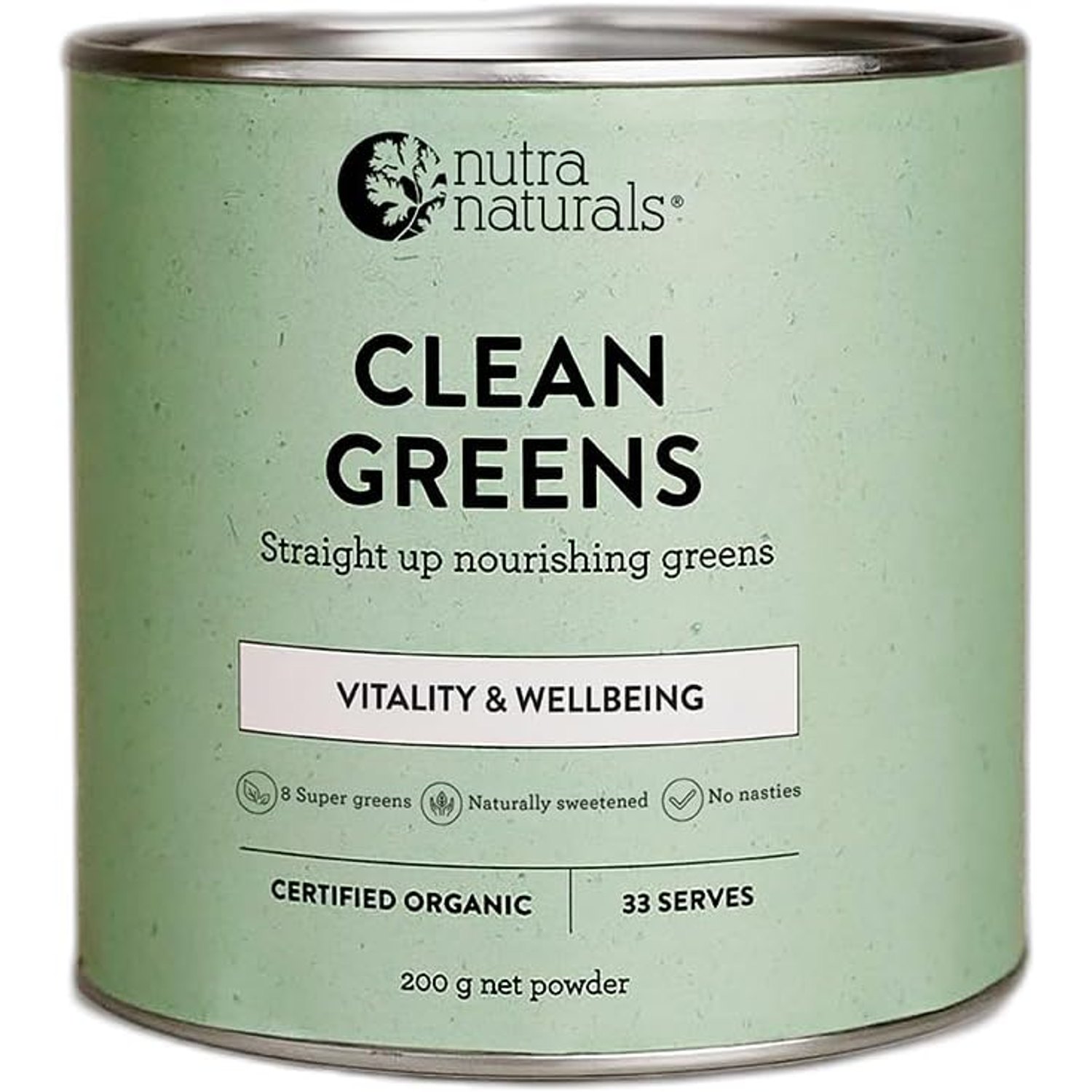
This lemon greens powder is listed as a 200 g food powder. It can be added to a smoothie or mixed into water, and gluten is listed in its allergen information. Those facts matter more than broad promises about what a greens drink might do.
This guide walks through the maker's details and the gaps worth checking. The label on the pack is the final word on ingredients, allergens and directions, so read it before use.
Start with the format and pack size
A powder is different from a ready-to-drink product. You prepare it yourself using the amount and method shown on the label. For this product, the listed options are a smoothie of your choice or a glass of water.
The pack size is 200 g. That tells you the stated amount of product, not the weight of the parcel or the size of the container. Packaging dimensions and shipping weight are not provided by the maker.
If you are comparing a 200 g greens powder with another option, keep those distinctions clear. Compare the stated pack contents and labelled serving directions rather than judging by the apparent size of a container in a photo.
Understand the ingredient list
The supplied ingredients describe a 92% greens blend. That blend includes barley grass, wheat grass, spirulina, alfalfa grass, chlorella, kelp, Japanese matcha green tea and Aphanizomenon flos-aquae algae.
The remaining listed ingredients include marine minerals from Arctic sea algae and salt, a separate spirulina extract and steviol glycosides. The maker does not provide the amount of each individual ingredient.
This matters when comparing a mixed powder with a single-ingredient product. A barley grass powder blend is not the same thing as plain barley grass powder. Likewise, a spirulina greens blend contains other ingredients rather than spirulina alone. Choose based on the full list, not just one familiar ingredient on the page.
What the lemon description tells you
Lemon is the listed flavour. That is useful if you are looking for a lemon greens blend, but it does not tell you exactly how the prepared drink will taste.
The maker does not describe the strength of the lemon flavour, the level of sweetness or the final texture. Steviol glycosides appear in the ingredient list, but the amount is not given. There is no basis here for promising a mild, tart or strongly sweet drink.
The serving directions also mention an optional squeeze of lemon when mixing with water. Treat that as a preparation choice. It is separate from the listed flavour and is not a required extra ingredient.
Follow the stated mixing directions
The supplied serving direction is one heaped teaspoon, stated as 6 g. Add that amount to a smoothie of your choice or mix it into a glass of water. Check the label before preparing it in case the directions on your pack differ.
No exact water volume is provided in the maker's description. Nor are there instructions for hot drinks, baking or cooking. If you want to use the powder in a way that is not listed, do not assume the same directions apply.
For everyday handling, use a clean, dry utensil and keep the pack closed between uses. These are simple food-handling habits. Any specific instructions printed on the pack should take priority.
Choosing between water and a smoothie
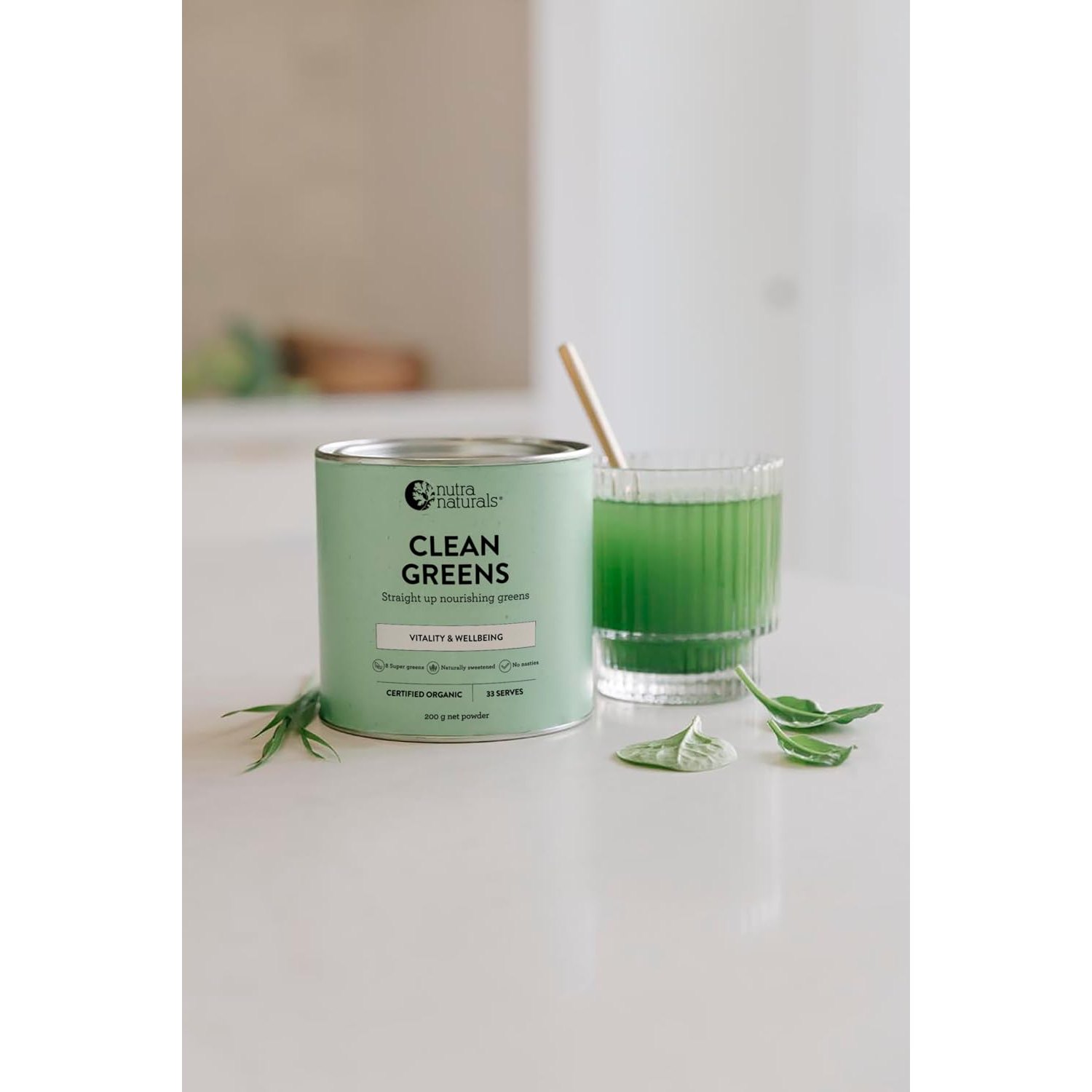
The two listed preparation methods give you a straightforward choice. If you are looking for greens powder for water, this product has that use in its supplied directions. An optional squeeze of lemon is also mentioned.
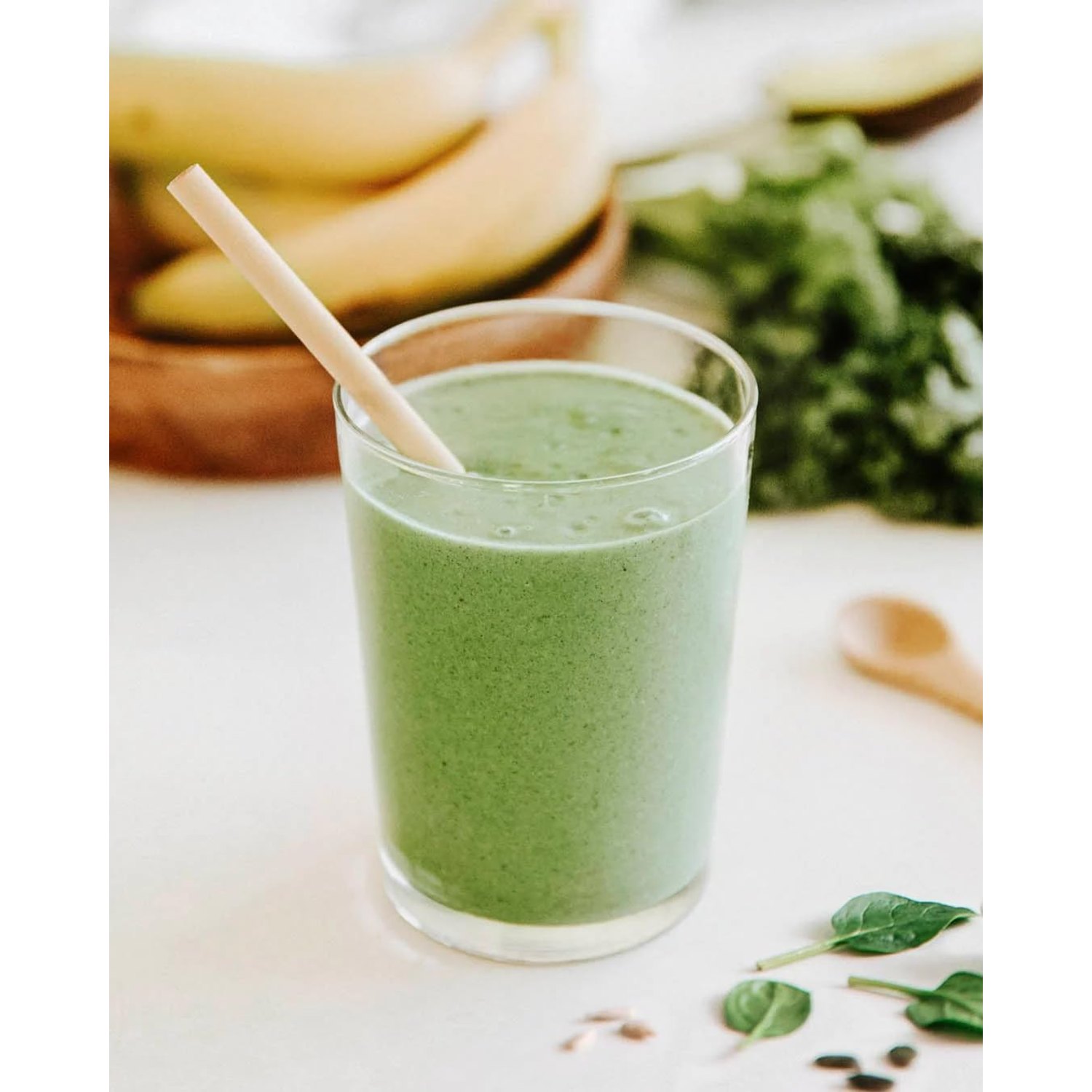
If you prefer greens powder for smoothies, the directions allow a smoothie of your choice. They do not provide a recipe, a required fruit or a specified amount of liquid.
Neither method comes with a stated promise about texture or complete dissolving. It is better to keep that expectation open than to assume every powder mixes in the same way. Follow the label rather than treating another product's preparation guide as interchangeable.
Give the gluten information proper attention
Gluten is listed in the supplied allergen information. This is a key detail, not a footnote. Do not assume that a product described as greens powder is gluten-free.
If you need to avoid gluten, this listing is not a basis for choosing the product as suitable. Read the actual pack label and get qualified advice if you are unsure how its ingredients relate to your dietary needs.
Only one allergen entry is supplied here. That does not establish that every other allergen is absent, and it does not answer questions about cross-contact during production. The full pack label is the place to check those details before use.
Who might consider this format?
This product may fit someone who wants a lemon-labelled powder with directions for water or smoothies and who is comfortable with the listed ingredients. It is worth considering the whole blend rather than choosing on flavour alone.
It is less useful for someone seeking a single-ingredient powder, because this is a mixed product. It is also not a product to assume is suitable for a gluten-free diet.
Suitability for children or during pregnancy is not established by the maker's description. Do not turn a general product listing into personal dietary advice. Read the pack warnings and ask a qualified professional when the choice depends on individual needs.
Know what is not specified
A careful buying decision includes noticing what is missing. Nutrition figures are not given by the maker by the maker, and neither is a declared serve count. Individual ingredient amounts within the greens blend are also not given.
Matcha green tea is listed, but a caffeine amount is not. You should not infer that the product is caffeine-free. Equally, ingredient names alone are not enough to calculate nutrient amounts.
The maker's description also does not give specific storage temperatures, package dimensions or a country of manufacture. Some ingredient descriptions refer to places, but those references do not establish where the finished product was made. Keep those questions separate when checking the pack.
Compare products on like-for-like details
When comparing a green vegetable powder blend with another option, begin with information both listings actually provide. Pack contents, ingredient lists, allergen statements and preparation directions are useful points of comparison.
Price alone is not the whole comparison. A lower-priced pack may contain a different quantity or use different serving directions. Without a declared serve count here, avoid building a comparison around an assumed number of drinks.
You can also compare the practical fit. Do you want powder for water, or will it go into a smoothie? Are there ingredients you do not want? Answering those questions is more useful than relying on broad claims that do not describe the food itself.
Read the pack before opening and using it
When the order arrives, take a moment to read the label. Check that the ingredients, allergens and directions meet your needs before breaking the seal. This is particularly important if your purchase depends on avoiding an ingredient.
The pack label is the final word. A product page helps you make an initial choice, but it should not replace the information supplied with the food.
If something on the label is unclear or differs from what you expected, pause before using the powder. Keeping the pack unopened while you resolve a question also matters for change of mind returns, which apply only to unopened, sealed packs.
Storage and everyday care
Specific storage conditions are not included by the maker. Follow the instructions printed on the pack rather than assuming it belongs in a fridge or on a particular shelf.
Keep the pack closed between uses and use a clean, dry utensil to measure it. Check any date marking and related instructions on the packaging. No shelf life or period after opening is stated here.
There is no need to invent a special storage routine. The useful approach is to read the actual directions, handle the product cleanly and avoid replacing missing information with advice written for a different powder.
Delivery and returns in plain terms
Delivery is Australia only. We dispatch within 2 working days, and delivery then takes up to 7 working days by tracked courier. Dispatch time and courier delivery time are separate, so allow for both when planning an order.
For change of mind, returns are accepted within 14 days of delivery on unopened, sealed packs only. If you are buying as a gift, consider whether the recipient can check the ingredients within that time.
Faulty or damaged items are put right under the Australian Consumer Law. No warranty is sold. These terms are separate from whether you decide that the flavour or ingredient blend suits your preferences.
The short version
This is a 200 g lemon greens powder with a listed 92% greens blend, marine minerals, spirulina extract and steviol glycosides. The supplied directions call for one heaped teaspoon (6 g) in a smoothie or glass of water, with a squeeze of lemon optional.
Gluten is listed. Read the pack label before use, check anything not specified by the maker and follow the pack's ingredients, allergen and preparation information. That gives you a clear basis for deciding whether it belongs in your pantry.