
The complete guide
Buying an Amino Acid Powder, Explained Simply
The problem with most tubs of amino powder
Walk into any supplement shop and the amino acid shelf is a wall of noise. Big fonts, lightning bolts, words in capital letters. Behind all of it sits a fairly simple product: a fine powder made of individual amino acids, flavoured so it is drinkable, that you mix with water.
The honest problem most people have is not picking between exotic formulas. It is that they buy a tub, drink it twice, and then it sits at the back of a cupboard for a year because the flavour was unpleasant or the powder went rock hard. That is wasted money, and it is usually avoidable.
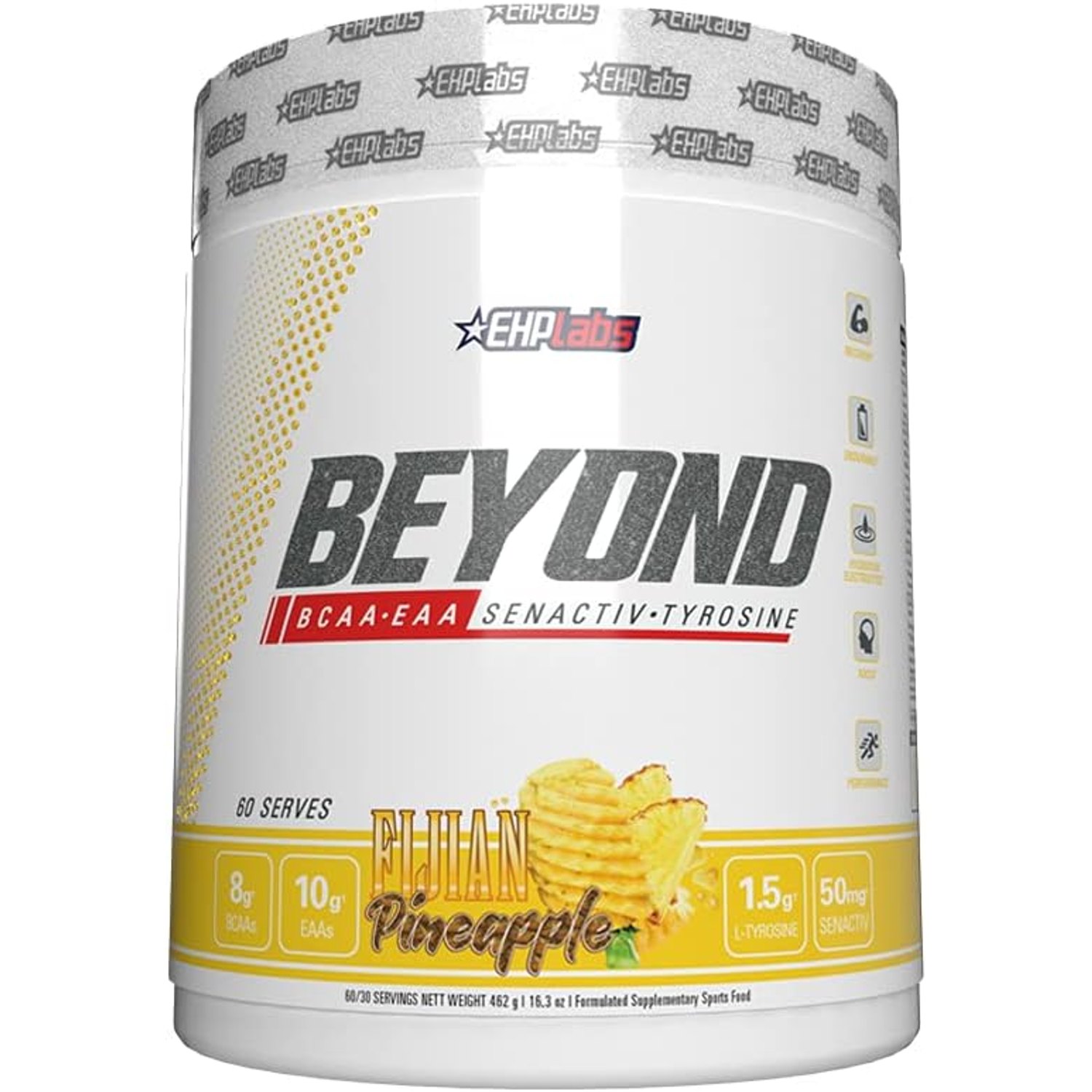
This page is about one specific product, a 429 g pineapple amino acid powder, and about how to think clearly when you are choosing something in this category. We are not going to tell you what it does for your body. We are not allowed to and, frankly, we would not want to. What we can do is explain what the thing actually is so you can make your own call.
What is in the tub
The maker lists the ingredients in this order: L-Leucine, L-Isoleucine, L-Valine, L-Tyrosine, Natural Flavours, Citric Acid, Malic Acid, L-Phenylalanine, L-Lysine, L-Threonine, L-Histidine, L-Tryptophan, Sodium Citrate, Sucralose, Senactiv, L-Methionine, Colours (Spirulina, Beta-Carotene), Huperzia Serrata Extract (1% Huperzine A).
Ingredient lists are ordered by weight, largest first. So the first three, the branched-chain amino acids, make up the bulk of the powder. After that you get a spread of other amino acids plus the things that make it taste like a drink rather than a chemistry set.
Citric acid and malic acid are the sour notes. They are the same acids you would meet in citrus fruit and apples. Sodium citrate is a buffering salt that softens the sharpness. Sucralose is the sweetener. The colours are spirulina, a blue-green algae pigment, and beta-carotene, the orange-yellow pigment in carrots. Together those two are what give a pineapple-flavoured powder its yellow-gold look without a synthetic dye.
The label on the pack is the final word. If there is ever a difference between what you read online and what is printed on the tub in your hand, trust the tub, and read it before you use the product.
BCAA versus EAA, in plain language
People ask this constantly, so here is the simple version.
Amino acids are the building blocks that make up protein. There are twenty or so involved in human biology. Some the body can build itself, and some it cannot, which is why the second group is called essential. Essential does not mean more important, it just means you have to eat them.
The branched-chain amino acids, leucine, isoleucine and valine, are three members of that essential group. They got their own name and their own product category because of how they are shaped. An essential amino acids powder covers the broader group.
This product includes both the branched-chain three at the front of the list and several others behind them. That is why it is sold as a BCAA and EAA powder rather than one or the other. We are not making any claim about what difference that does or does not make. It is simply a description of what is in the tub.
Flavour is the thing most people underrate
Free-form amino acids taste genuinely bad on their own. Bitter, slightly metallic, lingering. There is a reason unflavoured tubs often go unfinished.
That is why the flavouring in a product like this is not a cosmetic detail. A tart tropical flavour, built with citric and malic acid, does a decent job of covering bitterness because sourness and bitterness compete for attention on the tongue. Pineapple in particular is already a sharp, acidic fruit flavour, so the match is sensible.
If you have tried a sweet, syrupy amino drink before and found it cloying, a tarter profile is usually the better bet. If you prefer things sweet and soft, a sour pineapple might not be your favourite. Taste is personal and there is no clever way around that. The only thing worth saying is: buy the flavour you would actually drink daily, not the one with the best packaging.
How to use a powder like this
Mechanically it could not be simpler. Scoop the powder into a shaker or bottle, add cold water, seal it, shake for a few seconds, drink.
A few practical notes from people who use powders regularly. Add the water first and the powder second if you want to avoid a clumped lump stuck to the bottom. A shaker with a wire ball or a plastic mixing disc dissolves things faster than a plain bottle. Cold water tastes better with fruit flavours than room temperature water, though very cold water can slow dissolving slightly, so give it a few extra shakes.
For the serve size and any timing directions, read the pack. The maker sets those, and the scoop that comes in the tub is sized to match. Do not estimate with a kitchen spoon.
Who it is not for
This is a sports food. Sports foods of this kind are not suitable for children under 15, and they are not recommended for pregnant women. They should be used alongside a balanced diet rather than in place of meals.
If you take prescription medication, have a medical condition, or you are unsure for any other reason, talk to a doctor or pharmacist before adding any supplement to your routine. That is not a legal formality, it is just the sensible thing to do. Nobody on the internet, including us, knows your situation.
Allergen and dietary suitability details are printed on the pack. We do not have vegan, vegetarian or gluten status recorded for this listing, so if those matter to you, read the label before you use the product or ask the maker directly.
Keeping the powder in good condition
Fine powders hate two things, moisture and heat. Humidity turns loose powder into a brick, and heat can dull flavour over time.
So keep the tub sealed, keep it somewhere cool and dry like a pantry shelf, and keep it out of direct sun. The two most common mistakes are leaving it in a car on a warm day and scooping with a damp hand straight after a shower. Both will cost you.
If the powder does firm up a little, a sealed tub given a good shake usually breaks it apart. Check the best before date printed on the pack and do not use it beyond that.
What to compare when you shop
A few things are worth looking at side by side when you are choosing between tubs.
Start with pack size, because a headline price means nothing without it. This one is 429 g. Next, read the full ingredient list rather than the front of the label, since the order tells you roughly how much of each thing is in there. Then think about sweetener and colour preferences, because some people avoid certain sweeteners or prefer plant-derived colours. Finally, be realistic about flavour, which is the single biggest reason a tub gets finished or abandoned.
What you should ignore is any claim that sounds like a promise. We make none here, and we would treat big promises elsewhere with a raised eyebrow.
Delivery and returns
We dispatch within 2 working days, and delivery then takes up to 7 working days by tracked courier. Delivery is Australia only.
Change of mind returns are accepted within 14 days of delivery, on unopened and sealed packs only. That restriction exists for hygiene reasons and applies across food products generally. If something arrives faulty or damaged, contact us and we will put it right under the Australian Consumer Law. No separate warranty is sold with this product.
The short version
This is a 429 g tub of powdered branched-chain and essential amino acids, flavoured Fijian Pineapple, sweetened with sucralose and coloured with spirulina and beta-carotene. You mix it with cold water and drink it.
We have not told you what it will do for you, because that is not something we will claim. We have told you what is in it, what size it is, how to prepare and store it, and who should not use it. The pack label is the final word on ingredients, allergens and directions, so read it before you use the product.
If the ingredient list suits you and a tart pineapple drink sounds like something you would finish, it is a straightforward buy. If you are unsure, ask us, or ask a qualified health professional who knows your history.