
The complete guide
How to Choose a Chocolate Plant Protein Powder
The problem with most plant protein powders
Plenty of people switch to plant based eating and then hit the same wall at the supplement aisle. The powders either taste chalky, go gritty in water, or come in packs so small you are reordering every fortnight. Chocolate is the flavour most people reach for first, and it is also the flavour that exposes a thin mix fastest, because cocoa has nowhere to hide.
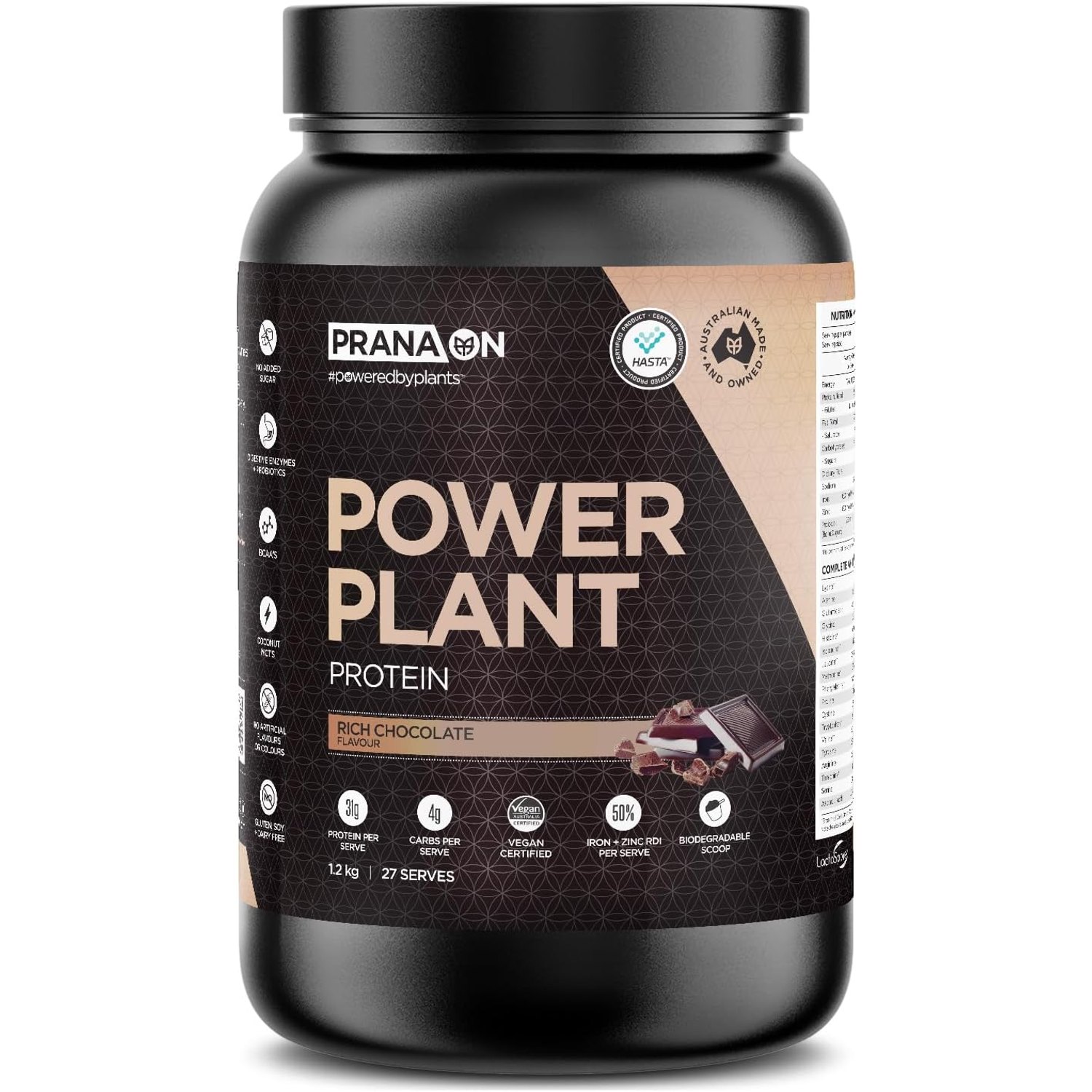
This page covers a chocolate flavoured plant protein powder sold in a 1.2 kg pack, made in Australia and listed by the maker as dairy free. The protein is a blend of pea, rice and fababean. Below is how powders like this actually work, who they suit, and what to look at before you spend money on a big pack.
What is actually in the tub
Start with the protein itself. Here the maker lists three sources together: pea protein, rice protein and fababean protein. Blending is standard practice with plant proteins. Each plant source has its own texture and taste, and putting more than one in a single formula is a normal way to build a powder.
Then there is the flavour side. Cocoa powder and a natural chocolate flavour do the work on taste. Sweetness comes from monk fruit extract and steviol glycosides, so there is no added cane sugar listed. If you have been hunting for the best monk fruit sweetened protein powder, that combination is the one to look for on a label.
The rest of the ingredient list, exactly as the maker gives it, includes coconut MCT powder, xanthan gum, guar gum, the amino acids leucine, isoleucine and valine, reishi mushroom, and a digestive enzyme blend made up of digestive enzymes (protease, amylase, lipase, cellulase and lactase) plus the probiotic Bacillus coagulans.
One important note. We are describing ingredients, not making claims. We are not saying this powder does anything for your body. The label on the pack you receive is the final word on ingredients, allergens and directions, and you should read it before you use the product.
How the gums change the texture
Xanthan gum and guar gum show up in a lot of powdered drinks. They affect how the powder behaves once it meets liquid, usually giving the drink a bit more body rather than leaving it watery. It is worth knowing they are there, because a shake made with a gum containing powder will often thicken if you leave it sitting in the fridge overnight. That is expected. Give it a hard shake before drinking.
If you prefer a thinner drink, use more liquid than the directions suggest. If you prefer it thicker, use less, or blend it with frozen banana. The best protein powder for smoothies is usually one that plays well with other ingredients, and chocolate is forgiving in a blender.
How to use it
The maker's directions are short. Mix one scoop into 1.5 cups, or 12 fl oz, of cold water, organic almond milk, organic rice milk, a smoothie or your favourite drink. Shake and drink.
There is also a food option. The maker suggests stirring it into yoghurt for a high protein treat. People do similar things with oats and overnight oat jars, though the pack directions are the ones to follow.
A few practical pointers from experience with powders generally:
Use cold liquid, as the directions say. Hot liquid and plant proteins do not always get along, and you can end up with a thick, sludgy mug instead of a drink.
Add liquid to the shaker first, then the powder. It stops a dry layer sticking to the bottom.
Give it twenty seconds of real shaking, then let it rest for a minute. The rest period lets the gums hydrate and the texture smooth out.
Use a dry scoop. Wet powder clumps, and clumps in a 1.2 kg pack are annoying for weeks.
Who this kind of powder suits
It suits adults who already eat plant based, or who avoid dairy and want a dairy free protein powder in their kitchen. It suits people who like chocolate and who are comfortable with monk fruit and stevia sweetness, which tastes different to sugar and takes some people a shake or two to get used to.
It does not suit everyone. Sports foods like this are not suitable for children under 15, and they are not suitable for pregnant women. They are meant to be used with a balanced diet, not as a replacement for food. If you have a medical condition, are on medication, or are unsure whether the ingredients suit you, speak to a qualified health professional first.
Keep all supplements and vitamins out of reach of children, and always follow the storage and consumption instructions on the pack. That is the maker's own warning and it is worth repeating.
How to choose between powders
Here is a sensible checklist when you are comparing options.
Check the protein sources. A single source powder and a blend will behave differently in a shaker. If you are looking for the best pea protein powder specifically, make sure pea is the lead ingredient rather than one of several.
Check the sweetener. Monk fruit, steviol glycosides, sugar and sugar alcohols all taste different. This is the single biggest reason people dislike a powder they otherwise would have kept buying.
Check the pack size against how often you will use it. A 1.2 kg pack is a reasonable bulk protein powder pack for someone drinking shakes a few times a week. If you only use it occasionally, a big pack can sit open for months, and open packs do not improve with age.
Check the allergen statement. Here the maker lists the product as dairy free. Anything else you need to know about allergens is on the pack label.
Check the flavour against your routine. A rich chocolate suits water, almond milk and smoothies. If you mostly drink your protein in coffee or in plain water first thing, think about whether chocolate is what you want every day.
Storage and keeping it fresh
Protein powder is simple to look after, but moisture is the enemy. Keep the pack in a cool, dry cupboard, out of direct sunlight, and away from the stove and kettle where steam collects. Seal it properly every single time.
Do not store the scoop buried in the powder with wet hands reaching in. Keep the scoop dry, or keep it outside the pack in a clean container. If the powder ever smells off, looks discoloured or has set hard, stop using it.
A big pack is good value, but only if the last third is as good as the first. Treat storage as part of the purchase.
Reading the label
We have listed what the maker supplies, but we cannot speak for the exact pack that lands on your doorstep. Makers update formulations and packaging. The nutrition information panel, the ingredient list and the allergen statement printed on your pack are the authoritative source. Read them before first use, particularly if you have allergies or a restricted diet.
We also will not print nutrition figures or serve counts we do not have. If a page quotes protein grams per serve without showing you where that number came from, be sceptical.
Delivery and returns
We dispatch within 2 working days. Delivery then takes up to 7 working days by tracked courier, Australia only.
Change of mind returns are accepted within 14 days of delivery on unopened, sealed packs only. That restriction exists for food hygiene reasons and it applies across the category. If your item arrives faulty or damaged, contact us and it will be put right under the Australian Consumer Law. No separate warranty is sold with this product.
The short version
This is a 1.2 kg chocolate plant protein powder made in Australia, listed as dairy free, built on a blend of pea, rice and fababean protein. Cocoa powder and natural chocolate flavour give it its taste, monk fruit extract and steviol glycosides provide the sweetness, and the maker also lists coconut MCT powder, gums, three amino acids, reishi mushroom, digestive enzymes and a probiotic.
One scoop goes into 1.5 cups of cold liquid, or into yoghurt if you would rather eat it. It is a sports food for adults, not for children under 15 or for pregnant women, and it belongs alongside a balanced diet. Read the label on the pack before you use it. If the ingredient list, the sweetener and the pack size all suit you, this is a straightforward chocolate vegan protein powder to keep in the cupboard.